
In the minute or two it takes for you to read this sentence, your heart has likely beat 2-3 times, which means an action potential initiated the influx of calcium in your cardiomyocyte (heart cell featured in our landing page) to initiate sarcomeres to shorten in a mechanism known as excitation-contraction coupling.
If you always wondered how our body regulates this process over and over again, and in exercise, during pregnancy, or in heart failure, you've come to the right lab.
Ongoing work:
How does PDE1 work, like at the molecular and cellular level? (NIH R01)
Phosphodiesterase type 1 (PDE1) inhibitor is an FDA investigational drug that helps to improve heart pumping function. How this is achieved at the molecular level is a clinically important question that we are investigating using live cell imaging, functional studies, and biochemical tools. We have some cool new data that are will be spawning future studies. Spoiler alert: cyclic nucleotide signaling is compartmentalized!
How does the heart respond in stressed or pathological conditions?
How do stressors like pregnancy and disease conditions affecting cell signaling that is important in cardiovascular function? This baby project is quickly growing and we are tackling this in a collaboration with Dr. Dorothy Sojka's lab to ask very novel questions at the intersection of immune biology and cardiac physiology.
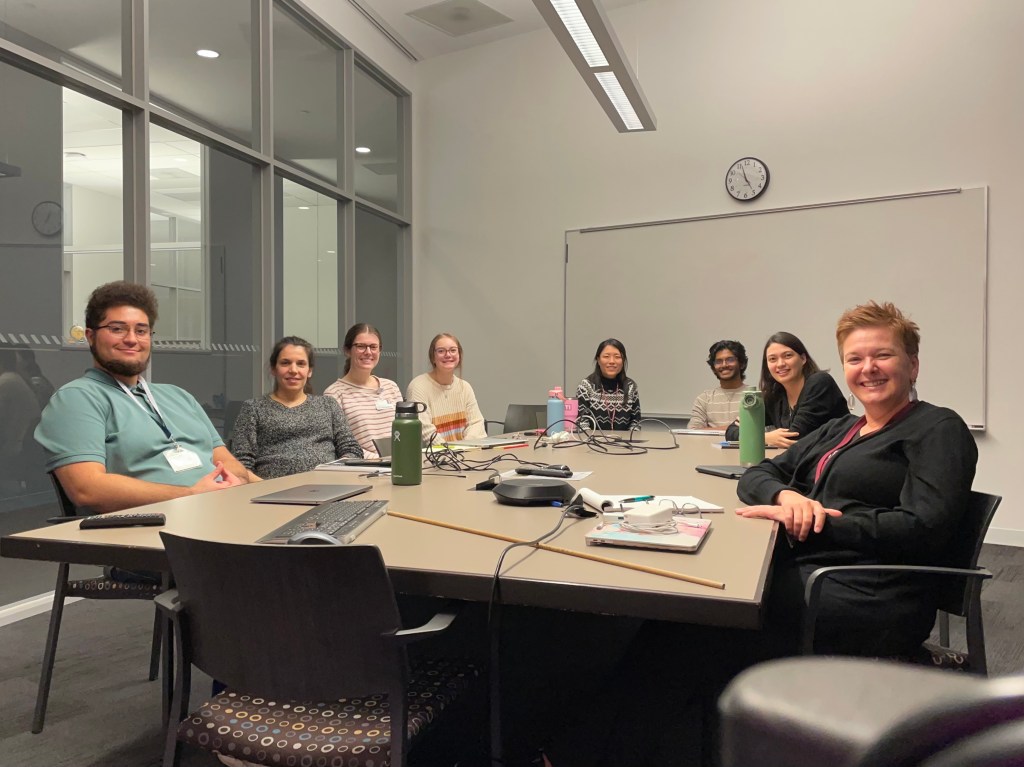
Joint meeting with Sojka Lab
 Muller Lab at LUC